Low Back Pain: Causes, Symptoms, and Effective Treatments
Are you dealing with low back pain? Understanding its causes, symptoms, and treatments can help you find relief and take control of your health. This article covers all you need to know.
Key Takeaways
- Low back pain affects 49% to 70% of adults and can lead to significant socioeconomic consequences, highlighting the importance of awareness and management.
- Common causes include herniated disks and spinal stenosis, with risk factors such as aging, obesity, trauma, and prolonged sitting increasing susceptibility.
- Effective treatment often requires a multi-faceted approach including physical therapy, medications, and preventive measures like proper posture and regular exercise.
Understanding Low Back Pain
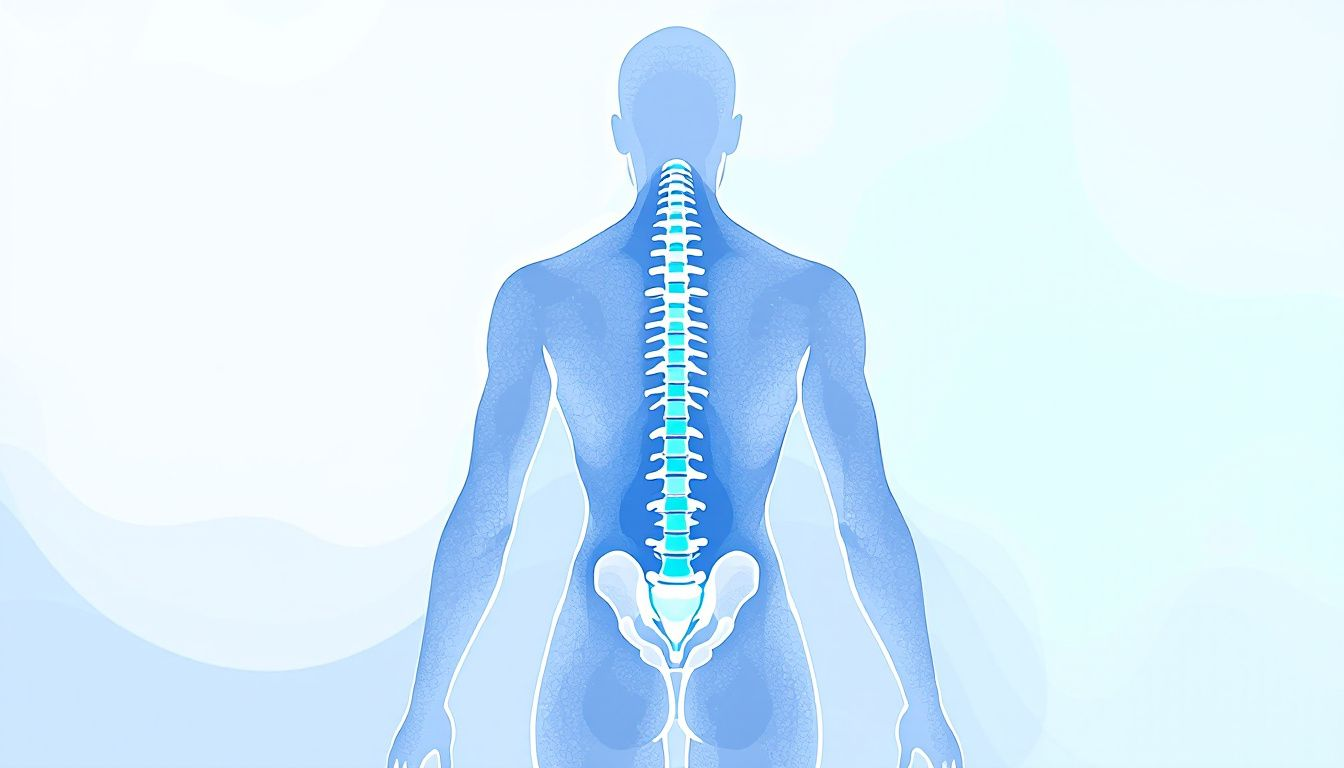
A substantial proportion of the adult population, with estimates ranging from 48 to 70%, is afflicted by low back pain at some point. The impact of this condition extends beyond individual suffering. It has broader implications, such as prompting early retirement and placing a heavier burden on socioeconomic systems than many other persistent health issues. It’s crucial to grasp and tackle this prevalent health problem effectively.
Managing low back pain presents a significant hurdle since approximately 80% to 90% of cases are classified as non-specific low back pain – a type that remains elusive even after employing diagnostic imaging or other investigative techniques. This indeterminate nature can be exasperating for both individuals experiencing the discomfort and those providing medical care.
Neglecting symptoms of back pain may lead to escalating distress and additional complications. It is vital for individuals experiencing early symptoms of backache to acknowledge these signs promptly and pursue appropriate treatment without delay.
Common Causes of Low Back Pain
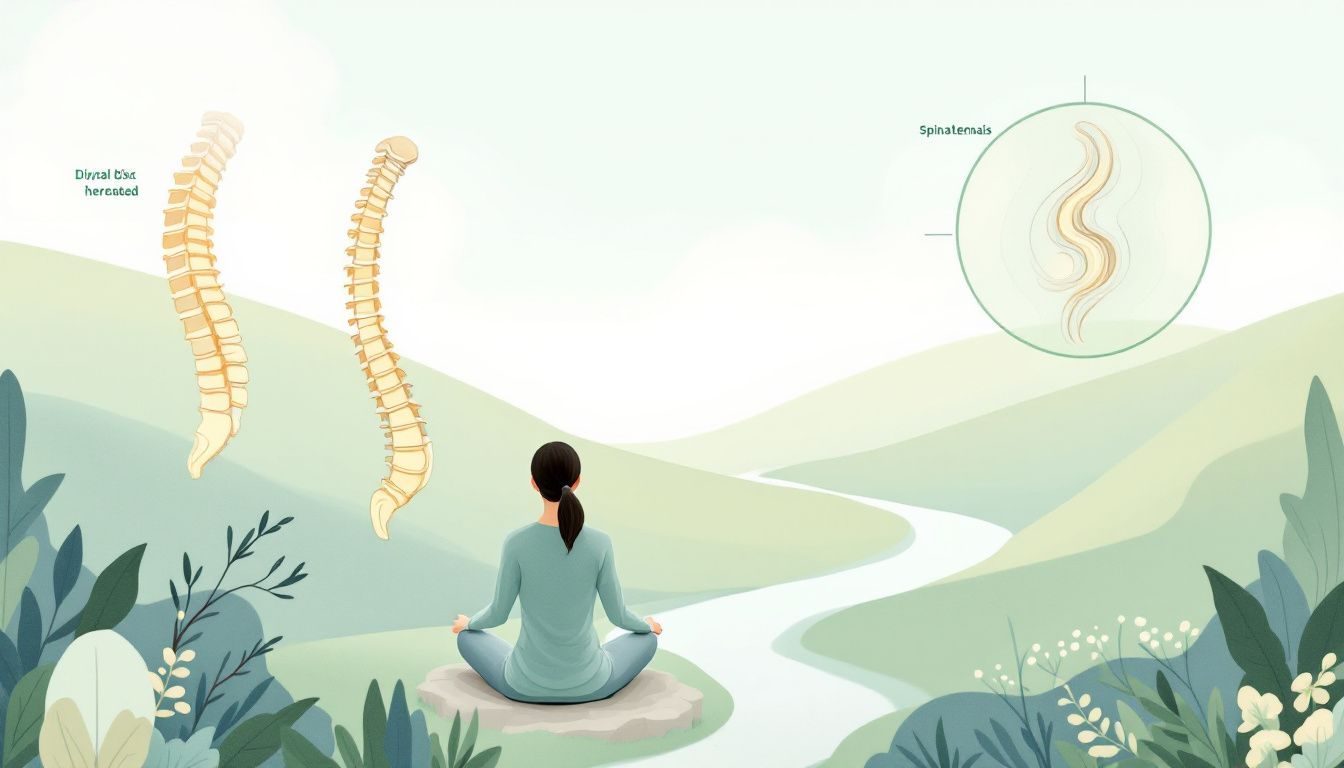
Various conditions can lead to the emergence of low back pain, with a herniated disk being one prevalent source. This illness may result in sudden and severe pain as it exerts pressure on the sciatic nerve. Consequently, this pressure leads to sciatica characterized by leg pain that spreads downward, often accompanied by intense burning sensations and significant discomfort due to nerve pain.
Spinal stenosis is another factor contributing to low back pain through the narrowing of spaces in the spine which applies force upon spinal nerves. The onset of spinal stenosis typically occurs over time, resulting in persistent muscle spasms and chronic back discomfort.
Particular professions demanding constant repetitive motions or strenuous physical work might increase susceptibility to muscular strains leading to back problems. Recognizing these typical origins is essential for effectively managing and preventing lower back afflictions.
Recognizing Symptoms of Low Back Pain
It’s crucial to recognize the signs of lower back discomfort promptly for effective treatment. Patients might experience a range of pain types, including dull, achy, shooting, or burning sensations.
A key indicator is intense, scorching pain that extends down into the leg—this condition is known as sciatica—and it typically comes with feelings akin to tingling or a pins-and-needles effect.
Additional symptoms include numbness and muscle weakness. These could point toward more grave underlying conditions. Such distress can escalate during activities such as sneezing or coughing. The onset of this pain may be abrupt or progressive over time, often with leg-related pain exceeding the intensity experienced in the back. Early detection of these indicators is pivotal for securing more efficacious treatments and favorable health outcomes.
When to Seek Medical Attention
Before treatment:
For those suffering from low back pain, while many instances are manageable on your own, particular symptoms necessitate urgent medical attention. If you experience numbness in the area surrounding your genitals or challenges with urination control, seek immediate care. If severe leg weakness progresses and you’re facing issues with bowel or bladder control coupled with sciatica indicators, it’s crucial to get medical help promptly.
Symptoms that indicate an immediate need for medical intervention when experiencing low back pain include:
- Genital region numbness
- Urination control difficulties
- Intensifying severity of leg debility
- Bowel command loss
- Indications of sciatica
These signs should be treated as emergencies.
If severe discomfort persists without improvement despite home remedies, it is advisable to consult a healthcare professional. Disregarding these symptoms might lead to mental health concerns such as anxiety and depression due to constant pain. Receiving prompt medical care can prevent complications and ensure suitable treatment options are provided to improve your quality of life.
Risk Factors for Developing Low Back Pain
Numerous factors can heighten the probability of experiencing low back pain. As individuals age, they become more susceptible to degenerative disc disease, which is a prevalent source of such discomfort. Carrying extra weight puts additional strain on the spine, thereby elevating the chance of encountering pain.
The risk is amplified by extended periods of sitting down, improper posture and a sedentary lifestyle—issues particularly pertinent among young people and teenagers. These behaviors are linked with an increased likelihood of suffering from low back pain.
It’s noteworthy that girls report experiencing higher instances of low back pain than boys do. This disparity has a more pronounced impact on their overall well-being. Acknowledging these contributing factors is essential for implementing preventative strategies designed to ward off the development of low back pain.
Effective Treatments for Low Back Pain
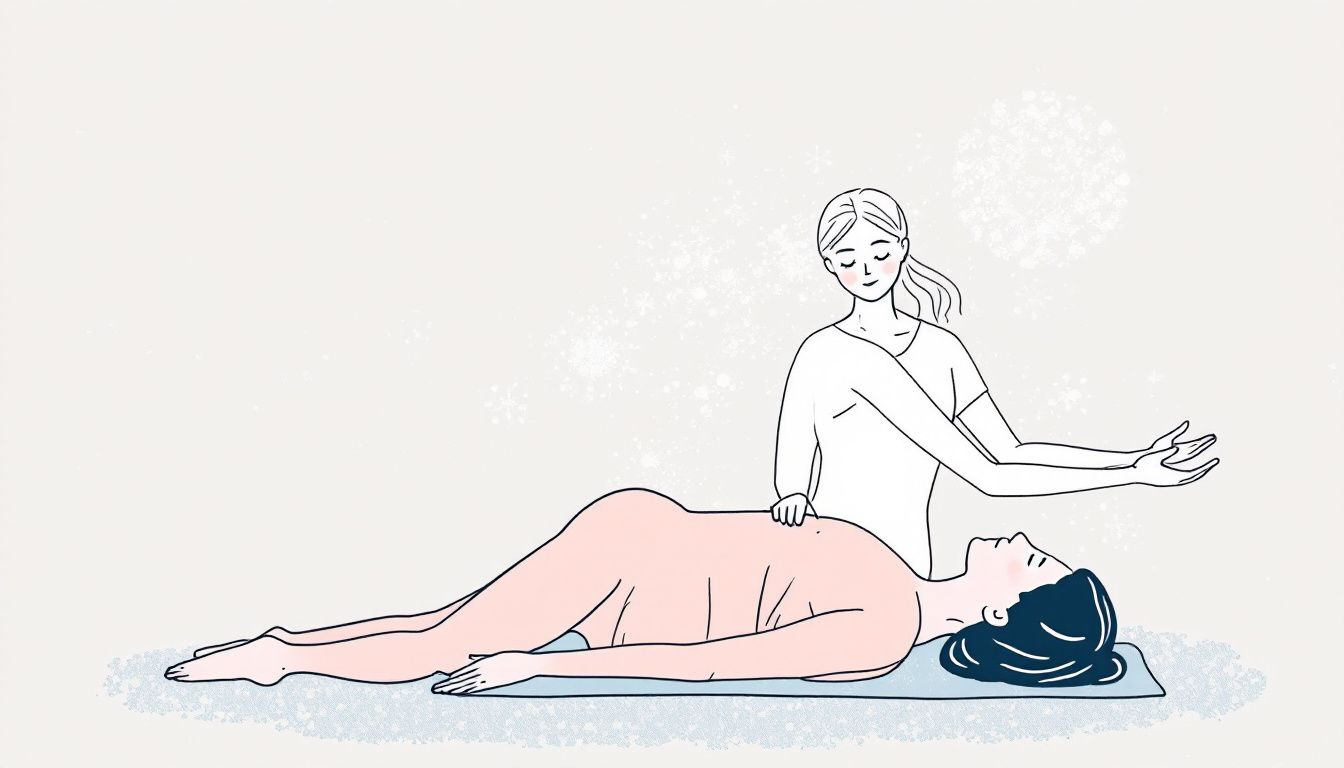
Managing low back pain typically involves a combination of strategies. Rest, applying cold packs and heating pads, and taking anti-inflammatory drugs are crucial components for easing muscle spasms and mild symptoms associated with sciatica. Surgery is not necessary for severe sciatic discomfort, but implementing an extensive treatment regimen is critical to controlling the pain successfully.
A variety of treatments including physical therapy, medications, and other alternatives such as chiropractic adjustments are highly effective in addressing the issue. These methods are integral to reducing low back pain linked to sciatica and often provide the most beneficial results when used in conjunction with one another.
Physical Therapy
Physical therapy often serves as a recommended strategy for both alleviating and averting sciatica. Upon evaluating the symptoms, a physical therapist can devise an individualized exercise regimen designed to diminish pain and facilitate functional recovery, allowing individuals to resume their customary pursuits.
By providing specific exercises that focus on the impacted regions, physical therapists help lessen discomfort, enhance suppleness, and encourage proper posture. Collaborating with such healthcare professionals ensures that these exercises are performed accurately and securely, optimizing their beneficial impact.
Medications
Medications play a crucial role in treating low back pain, providing immediate and extended relief. Simple measures like rest, applying cold packs, and taking nonsteroidal anti-inflammatory drugs are effective for managing mild sciatica. In more severe discomfort, steroid injections may diminish inflammation and alleviate pain.
It is essential to exercise caution with medication usage to prevent potential substance abuse issues, especially when opioids are involved. These medications ought to be incorporated into an all-encompassing treatment strategy that includes physical therapy among other treatments to ensure optimal results.
Other Treatments
To standard care, complementary therapies may provide relief from low back pain. For instance, chiropractic treatments can enhance spinal mobility and diminish discomfort with targeted adjustments. These methods are particularly valuable for individuals who have not succeeded with conventional approaches or favor a more integrative strategy.
Additional options like acupuncture, massage therapy, as well as the application of heat pads or cold packs can serve as adjuncts to physical therapy and pharmaceutical interventions in crafting a comprehensive regimen for addressing low back pain.
Engaging with a healthcare professional is crucial for identifying an optimal mix of therapies tailored to the unique needs of each person suffering from such pain.
Preventing Low Back Pain

Preventing low back pain involves adopting practical measures. Good posture is essential, whether sitting, standing, or lifting objects. When sitting, keep your back supported, feet flat on the floor, and avoid crossing your legs. A lumbar roll or back support can help maintain the spine’s natural curve.
Regular exercise is another key preventive measure. Aerobic activities like walking or swimming improve blood circulation and promote healing. Regular physical activity maintains overall fitness, reducing the risk of low back pain. Avoiding prolonged sitting and maintaining a balanced lifestyle further help prevent this condition.
Exercises to Alleviate Low Back Pain
Engaging in exercises to mitigate low back pain is crucial. Light aerobic exercises, along with core and leg strengthening and stretching routines, address various elements of spinal health that reduce discomfort and enhance mobility.
Employing correct methods for lifting objects can ward off low back pain. Remember to bend at the knees while keeping items near your torso and utilize the strength of your legs when lifting. A diverse exercise regimen is key for effective management and prevention of low back pain.
Stretching Exercises
Stretching exercises are a potent means to control sciatica pain and enhance flexibility, thereby alleviating discomfort from sciatica. Various stretches such as seated, standing, and reclining positions should be considered in managing this type of pain. Specifically, the seated Figure 4 and the standing piriformis stretch have been found beneficial. Holding these stretches for about half a minute is recommended for optimal results.
For individuals suffering from sciatica, it’s crucial to develop a personalized mobility and stretching regimen under the guidance of a healthcare professional. When integrated into their treatment strategy, stretching and mobility offer considerable relief for 80-90% of those experiencing lower back pain.
Strengthening Exercises
Strengthening exercises are crucial for maintaining spinal stability and reducing sciatica pain. Core-strengthening exercises support the spine and alleviate lower back pressure. Activities like the Glute Bridge, Pelvic Tilts, Cobra, Downward Dog, Bird Dog, Plank, Clams, and Dead Bugs enhance pelvic support, essential for managing sciatica.
Incorporating these exercises into your daily routine can significantly reduce your risk of low back pain and improve overall spinal health. Strengthening your core and supporting muscles ensures better posture and reduces back strain.
Aerobic Exercises
Engaging in aerobic exercises not only enhances heart health, builds endurance, and elevates general body fitness, but also plays a crucial role in maintaining an optimal weight to lessen the stress on the lower back.
For individuals experiencing low back pain, engaging in low-impact aerobic activities such as walking, swimming, and cycling can be particularly advantageous. These forms of exercise stimulate the production of endorphins which helps relieve pain while simultaneously enhancing mood – providing effective management for those suffering from discomfort in their lower backs.
Potential Complications of Untreated Low Back Pain
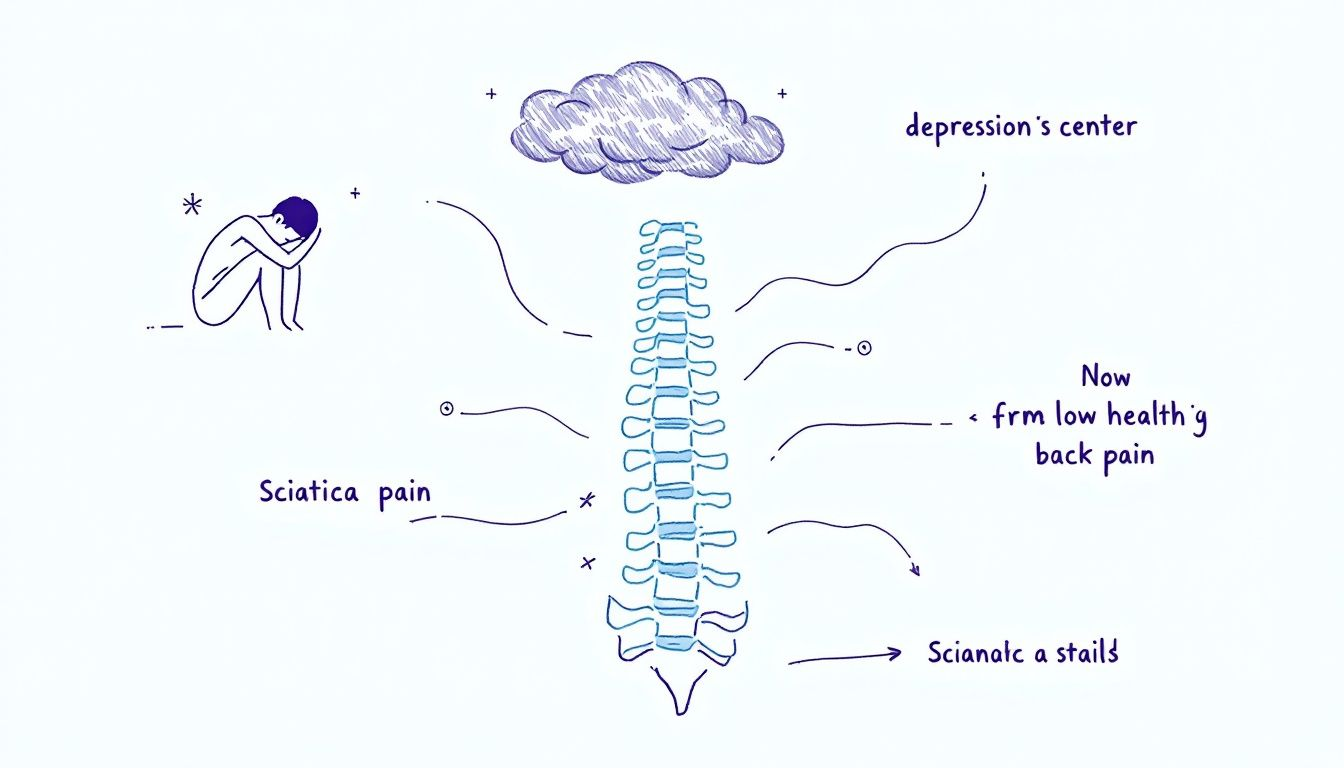
Neglecting to treat low back pain can have grave long-term repercussions. Persistent chronic low back pain may drastically hinder one’s ability to engage in physical activities, potentially causing disability. If sciatica is not addressed, it could culminate in irreversible numbness or persistent weakness in the leg.
Prompt action can help prevent or mitigate these severe complications. Overlooking symptoms of low back pain might lead to nerve damage and additional critical conditions, highlighting the crucial need for prompt medical care and an effective treatment strategy.
Summary
To summarize, the prevalence and substantial impact of low back pain on numerous individuals cannot be overstated. It is imperative to comprehend the origins of this illness, identify its symptoms promptly, and pursue appropriate medical advice for management. Interventions such as physical therapy, pharmacological options, and alternative therapies offer solace and can enhance one’s daily living standards. Preventative strategies coupled with consistent exercises are beneficial in controlling and averting the onset of low back pain. Proactive measures informed by these insights promise a pathway towards a more vibrant existence devoid of discomfort.
Frequently Asked Questions
How do I get my sciatic nerve to stop hurting fast?
To promptly alleviate the pain associated with the sciatic nerve, it’s beneficial to apply hot or cold compresses to the problematic region for 20 minutes. Taking over-the-counter nonsteroidal anti-inflammatory drugs (NSAIDs) or Turmeric Capsules may also effectively reduce inflammation.
Participating in mild physical activities and stretches can contribute to easing the nerve-related discomfort.
What are 2 symptoms of sciatica?
Two common symptoms of sciatica include sharp or burning pain that radiates from the lower back down the leg, and numbness or tingling sensations in the affected area.
If you’re experiencing these symptoms, it’s essential to consult a healthcare professional for proper evaluation and management.
Does walking help sciatica?
Forwards and inclined backward walking can help manage sciatica symptoms, so engaging in short, gentle walks while gradually increasing duration is advisable.
Remember to listen to your body and take breaks as needed.
How long does sciatica usually last?
While most individuals with sciatica will see an improvement in symptoms within a 12-week period, for some, these symptoms may persist for as long as a year. The duration and severity of the symptoms can be greatly influenced by elements like the quality of sleep, levels of stress, and overall emotional health.
What are the most common causes of low back pain?
The most common causes of low back pain are physical trauma, poor posture, weak core abdominals, poor fitness levels, leading to herniated disks, pressure on the sciatic nerve, and spinal stenosis, often exacerbated by occupations involving repetitive movements or heavy lifting.
Understanding these factors can help in prevention and management strategies.
Related Posts
 Strengthening Exercises for the Treatment of Sciatica and Lower Back Pain
 Mobility Exercises for the Treatment of Sciatica and Lower Back Pain
 How Shin Splints and Compression Socks Can Aid Your Recovery
 Top 10 Best Running Shoes for Shin Splints in 2025
 Effective Solutions for Shin Pain When Running: Tips & Treatments