Effective Solutions for Shin Pain When Running: Tips & Treatments
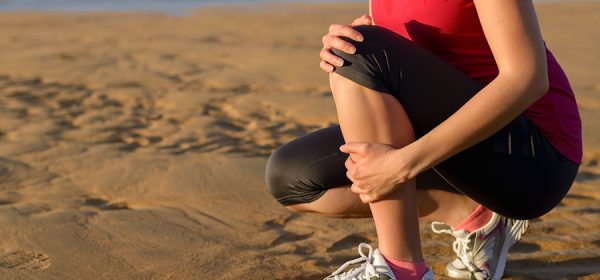
Experiencing shin pain when running? This article will explain why it happens and how to fix it. Learn about common causes, effective prevention tips, and best treatments to get back on track.
Key Takeaways
Shin splints, affecting 13.6% to 20% of runners, are often caused by overuse, improper footwear, and biomechanical issues.
Effective treatment includes rest, ice, and strengthening exercises; distinguishing between shin splints and stress fractures is key.
Preventive measures such as gradual increases in running intensity, proper footwear, and cross-training can help avoid shin pain.
Understanding Shin Pain When Running

Athletes can suffer from a condition known as compartment syndrome or shin pain, a dull ache along the shaft of the tibia or muscles attached to the shin, resulting in loss of performance. This painful sensation typically develops on the inner side of the tibia and can occur in either one or both legs. As training intensity escalates, so does this discomfort—sometimes to the point where it remains during rest periods for those with more severe cases. Anyone curious about what shin splints feel like, not many, I imagine, will find that they start as dull aches that become increasingly sharp if physical activity persists.
To manage shin splint pain effectively, comprehension of its nuances is crucial. Shin splints are common among runners and people involved in strenuous sports activities. Approximately 35% may be vulnerable to this issue. By identifying symptoms swiftly and adopting suitable preventative steps early on, such as wearing appropriate running shoes and seeking proper diagnosis from physical therapists, individuals can mitigate the exacerbation of such conditions—allowing them to maintain their regular running schedules without facing interruptions due to persistent pain.
What is Medial Tibial Stress Syndrome?
Medial tibial stress syndrome (MTSS), commonly known as shin splints, is a prevalent condition among runners and endurance athletes. It manifests as pain and inflammation along the inner edge of the tibia, or shin bone, due to repetitive stress and overuse. The primary culprit behind MTSS is the inflammation of the muscles and connective tissues in the lower leg, particularly the tibialis anterior muscle. This inflammation can lead to significant discomfort, swelling, and tenderness in the affected area.
Several factors contribute to the development of MTSS, including overtraining, poor running form, inadequate footwear, and muscle imbalances. Commonly, runners who suddenly increase their training intensity or switch to harder running surfaces without proper adaptation are particularly susceptible. Understanding the causes and symptoms of MTSS is crucial for effective prevention and treatment, allowing athletes to maintain their training routines without interruption.
Common Causes of Shin Pain
Shin splints are experienced by 13.6% to 20% of individuals who run, usually as a result of overuse injuries. The onset of new exercises or swiftly escalating the level of physical activity can place undue stress on one’s shins, culminating in pain. High-impact and repetitive activities like running and jumping are key contributors to this discomfort. An abrupt increase in how often, how intensely, or for how long you run can substantially elevate your chances of developing shin splints.
Wearing inappropriate footwear is yet another significant factor leading to shin pain. Shoes not providing sufficient support may aggravate the likelihood of experiencing shin splints. Selecting suitable running shoes according to one’s unique foot shape and gait is essential for prevention. The right running shoe can help prevent injuries like shin splints by providing the necessary cushioning, support, and comfort. Consistently running on rigid or uneven terrain heightens this risk due to the direct association between impact force GRF (Ground Reaction Force) and susceptibility to shin pain—a concern notably relevant for trail runners transitioning onto tougher grounds without adequate adjustment time.
Biomechanical issues such as flat feet with low arches—or conversely high arches—alongside overpronation (the foot’s excessive rolling inward) contribute heavily to triggering shin splints. These conditions disrupt normal foot dynamics which results in soreness coupled with a persistent dull ache along the shins area. Understanding these prevalent triggers enables proactive measures intended at both preventing and effectively controlling any resultant shin pain from arising.
Diagnosing Shin Pain: Shin Splints vs. Stress Fractures
Properly identifying the cause of shin pain is essential for receiving appropriate treatment. Shin splints, often a result of overuse, are caused by inflammation at the point where leg muscles attach to the bone. On the other hand, stress fractures refer to breaks or cracks within a bone and frequently affect areas such as the foot, ankle, or lower leg. Conditions like medial tibial stress syndrome can develop when exercise intensity is increased too quickly or upon resuming physical activity after an extended hiatus.
Stress fracture-related pain typically concentrates in one spot and exacerbates with ongoing exercise. Conversely, shin splints usually present with widespread discomfort along a broader region of involvement. If you experience persistent pain during rest periods or pinpoint tenderness along your shinbone (tibia), it’s advisable to consult a medical professional. Initially treating both conditions commonly involves RICE—resting from activities that cause symptoms, applying ice to reduce swelling and discomfort, compressing affected tissues gently but firmly via bandages if necessary, and elevating your limb above heart level whenever possible.
Women face an elevated risk for developing stress fractures, partly because they may lose bone density more rapidly than men, especially around the menopause transition period. While managing stress fractures might necessitate using supportive equipment like walking boots or orthopedic devices, surgical procedures are rarely needed for treating shin splints. Recognizing these distinct differences enables individuals to approach their healing process knowledgeably, ultimately aiding in avoiding lower limb injury.
How to Know if You Have a Stress Fracture
A stress fracture is a small crack in the bone that results from repetitive stress and overuse, often seen in runners and athletes. Identifying a stress fracture early is essential to prevent further complications. Here are some key symptoms to watch for:
Pain that worsens with activity: Unlike shin splints, which may cause a dull ache, stress fractures typically result in sharp, stabbing pain that intensifies during physical activity.
Morning pain: Pain that is more pronounced in the morning can be a sign of a stress fracture.
Swelling or bruising: The affected area may exhibit swelling or bruising, indicating underlying bone damage.
Tenderness to the touch: Localized tenderness along the bone, especially when pressed, is a common symptom.
If you experience any of these symptoms, it’s crucial to consult a doctor or physiotherapist for an X-ray and proper diagnosis. Ignoring a stress fracture can lead to more severe issues, such as a complete break or chronic pain, making early intervention vital.
Preventing Shin Pain
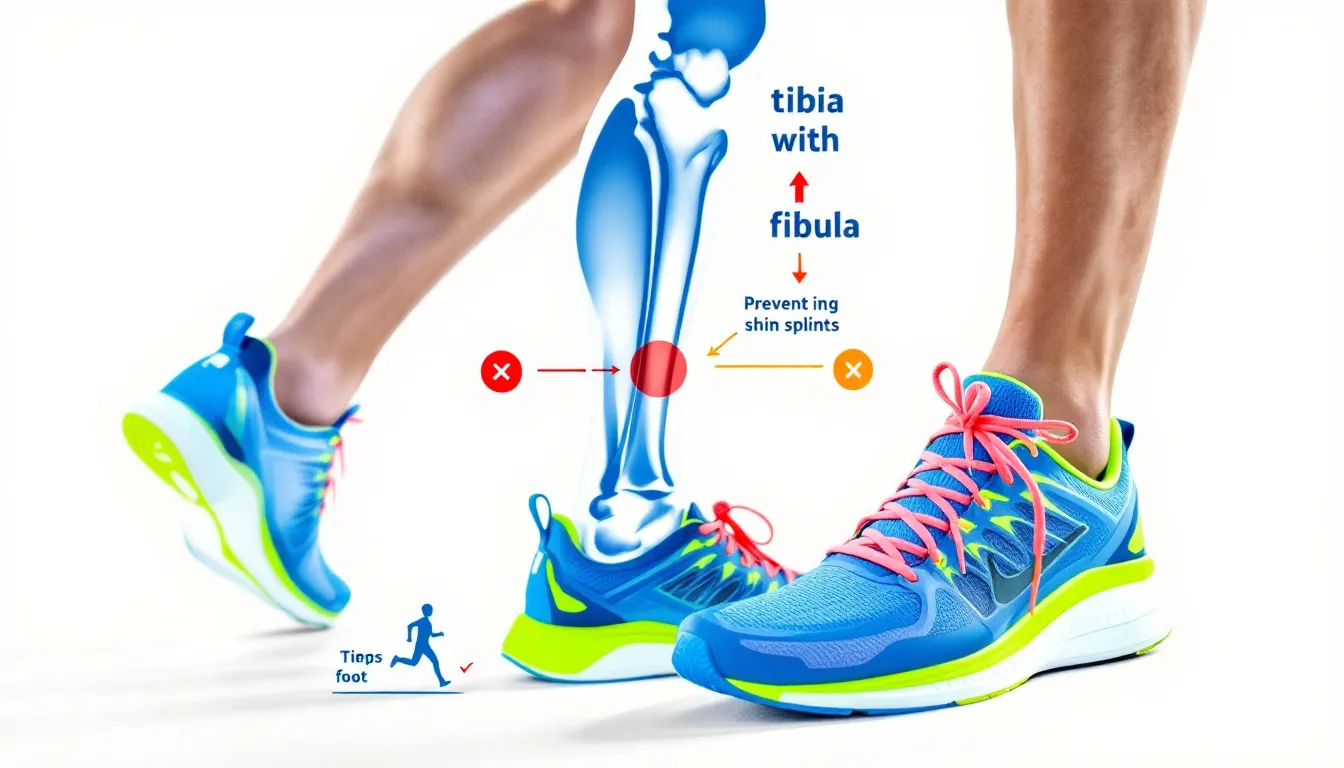
To fend off shin splints, it’s essential to proactively safeguard your lower legs. Incrementally boosting activity by 10-15% weekly can help stave off recurring episodes of shin pain. Routinely stretching your calves and hamstrings may relieve the strain that often leads to this discomfort, while slowly getting used to different running surfaces is also advisable for mitigating shin-related issues.
Bolstering muscle strength in the lower leg through targeted exercises significantly contributes to stabilizing this area and averts potential pain in the shins. Investing in proper running shoes equipped with adequate arch support and cushioning plays an instrumental role in alleviating pressure on the shins. Opting for a lightweight shoe with good shock absorption is crucial as it provides a plush feel, minimizes joint impact, and helps reduce the risk of injuries like shin splints.
It’s important too, when attempting prevention tactics, to consider where you run. Opting for softer grounds lessens impact stress on your legs compared to harder or more uneven surfaces which could heighten risk factors associated with sharp pains from shin splints. Thus enhancing comfort during runs and paving the way for smoother experiences overall.
Proper Running Form and Biomechanics
Maintaining proper running form and biomechanics is essential for preventing shin splints and other running-related injuries. Here are some tips to help you improve your running technique:
Land midfoot or forefoot: Avoid heel striking, as it increases the impact on your shins. Aim to land on your midfoot or forefoot to distribute the force more evenly.
Upright posture: Keep your posture upright and engage your core muscles to maintain stability and reduce strain on your lower legs.
Avoid overstriding: Overstriding can lead to excessive impact on your shins. Focus on maintaining a smooth, efficient stride with your feet landing directly under your body.
Foot alignment: Ensure your feet point straight ahead or slightly outward to prevent unnecessary stress on your shins.
Avoid crossing feet: Keep your feet from crossing over the midline of your body to maintain proper alignment and reduce the risk of shin splints.
By paying attention to your running form and biomechanics, you can significantly reduce the stress on your lower legs and prevent the onset of shin splints.
Safe Progression and the 10% Rule
Gradual progression in your running routine is crucial to prevent overuse injuries like shin splints. One effective method to ensure safe progression is the 10% rule. This guideline suggests that you should not increase your weekly mileage by more than 10% each week. This gradual increase allows your body to adapt to the demands of running, reducing the risk of injury.
For instance, if you are currently running 20 miles per week, you should limit your increase to no more than 22 miles the following week. Adhering to the 10% rule helps you build endurance and strength safely, minimizing the chances of developing shin splints and other overuse injuries. By following this rule, you can enjoy a steady and injury-free progression in your running journey.
Choosing the Right Running Shoes for Shin Pain
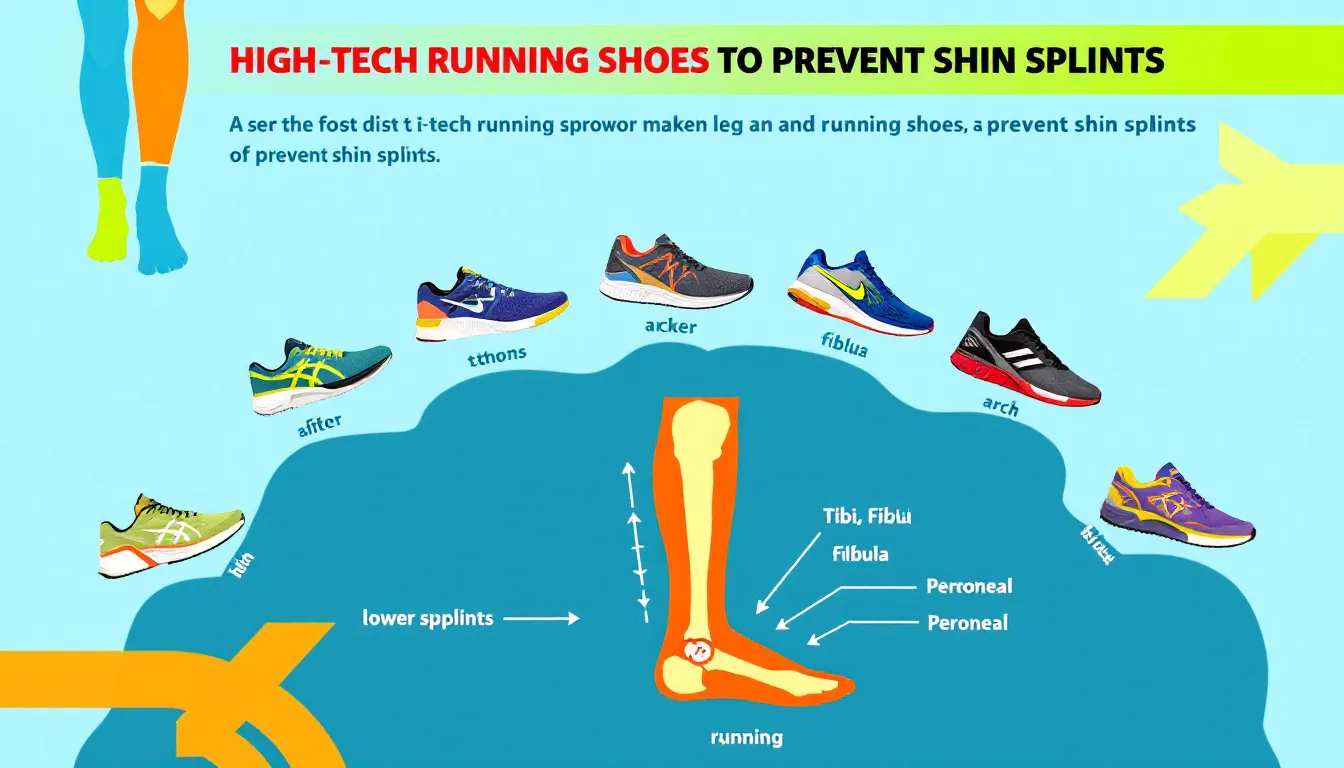
Selecting the appropriate running shoes is crucial in averting and controlling shin pain. Running-specific supportive footwear with adequate cushioning, arch support, and a breathable mesh upper plays a pivotal role in lessening shin discomfort. The decision regarding which running shoes to purchase should be based on your unique running practices, particularly how your feet strike the ground.
Moving forward, we will explore more thoroughly the significance of proper footwear and offer premier choices for running shoes designed to mitigate shin pain.
Importance of Proper Footwear
It is essential to have the right footwear in order to avert shin splints and maintain a comfortable experience while running. Shoes that offer sufficient cushioning can significantly reduce the stress on your shins when you run. It’s important to remember that running shoes need replacing after every 400 miles so they continue providing necessary support and cushioning. Stability shoes are particularly beneficial for runners experiencing shin splints as they counteract overpronation effects, offering arch support and increasing stability.
Individuals who face limited mobility in their lower legs should steer clear of zero- or low-drop shoes. Women, especially, should be wary of opting for unisex or men’s shoes because women tendentially have narrower tibias than men do.
Brooks sneakers incorporate advanced technology like DNA LOFT v3 which delivers an experience that’s at once softer, more responsive, and lighter—enhancing energy return for those who run. By choosing comfortable running shoes designed specifically for your foot type and preferred style of running, it becomes much easier to keep pain at bay with lightweight footwear options.
Features to Look for in Running Shoes
Choosing the right running shoes is paramount in preventing shin splints and ensuring a comfortable running experience. Here are some key features to consider when selecting running shoes:
Cushioning: Opt for shoes with excellent shock absorption and cushioning to reduce the impact on your lower legs. This helps in minimizing the stress on your shins during runs.
Support: Look for shoes that offer adequate support, such as stability or motion control features, to help reduce overpronation and supination.
Breathability: Select shoes with breathable mesh uppers to keep your feet cool and dry, preventing discomfort and blisters.
Lightweight: Choose lightweight shoes to reduce the overall stress on your lower legs, making your runs more comfortable and efficient.
Trail running shoes: If you are a trail runner, consider shoes with aggressive tread patterns and a substantial toe cap to protect your feet from rough terrain.
By considering these features, you can find the right running shoes that not only enhance your performance but also help prevent shin splints and other running-related injuries. Investing in the best running shoes tailored to your needs is a crucial step in maintaining a pain-free and enjoyable running experience.
Top Recommendations for Running Shoes
Selecting the most suitable running shoes to alleviate shin pain is crucial, and specific models excel due to their enhanced cushioning and structural support. For men dealing with this issue, prominent choices include the Brooks Glycerine, New Balance 810v2, and Asics Cirrus 33—all of which cater to natural foot mechanics while offering superior arch support. Women experiencing shin discomfort may find relief in options like the Hoka One Women’s Conquest, Asics Women’s Gel Kayano 21, and New Balance Women’s W850v1. These running shoes are tailored for optimal cushioning and strengthening support.
To guard against being left without appropriate footwear should your favorite style be discontinued—especially important for those susceptible to shin splints—it’s wise to secure an extra pair of quality running shoes. Making a deliberate investment in correctly fitting running shoes is vital for managing existing shin pain and as a preventative measure against future shin splints.
Treating Shin Pain
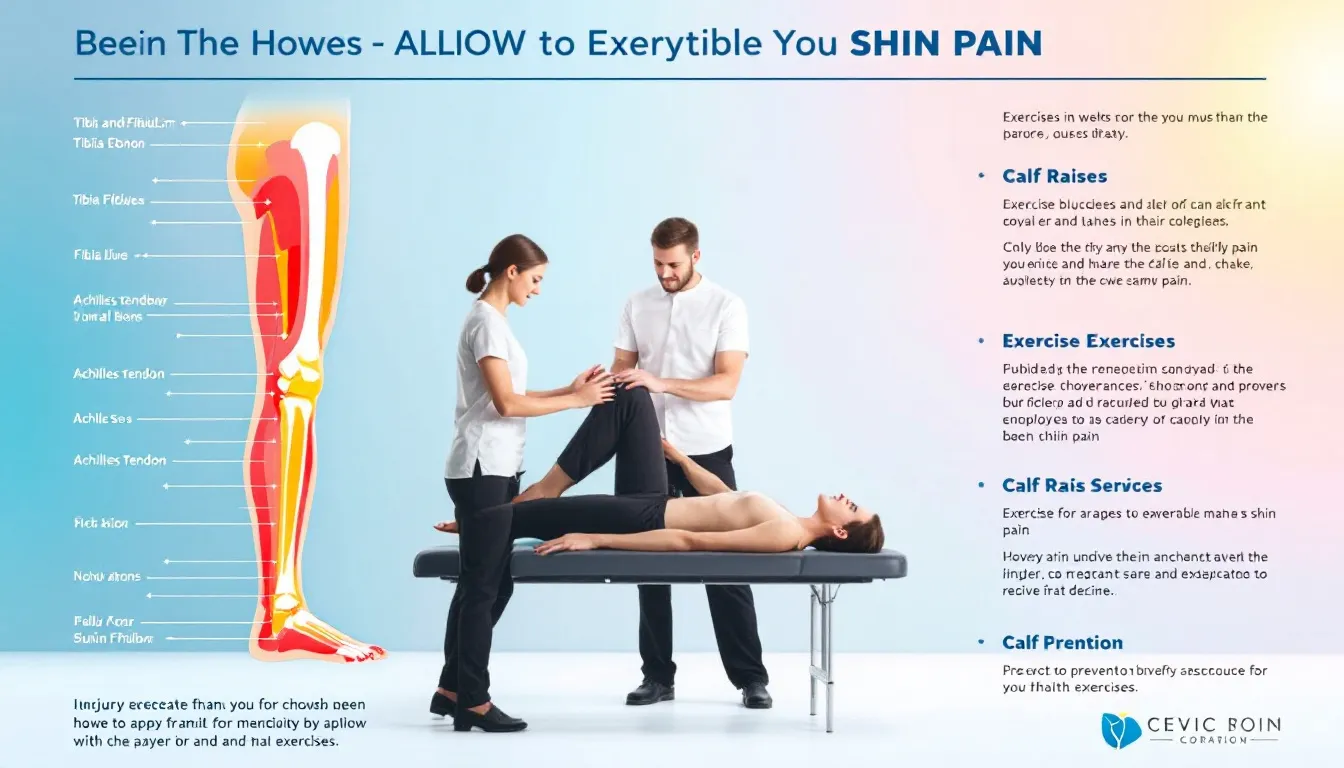
Should you find yourself afflicted with shin pain, a variety of strategies can be employed to alleviate the discomfort. Consider these approaches:
Initially rest for a two-week period to decrease inflammation.
Apply ice through an ice cup massage spanning 5-10 minutes in order to mitigate pain and diminish swelling.
Utilize over-the-counter analgesics such as paracetamol or ibuprofen for symptomatic relief.
Adhering to this regimen will enable effective management of your shin pain and facilitate the healing process.
As part of convalescence, it’s beneficial to engage in low-impact exercises like yoga or swimming. Walking, cycling, and elliptical workouts also serve as excellent non-stressful alternatives that help preserve physical condition without aggravating sensitive shins. Integrating these types of exercise allows for continued activity while permitting necessary recovery time for your lower legs.
Strength-building exercises play a pivotal role in both recuperation and future prevention efforts. Regular strengthening routines bolster muscle functionality around the lower leg area, which assists in reducing incidents of shin splints moving forward—with calf raises being particularly beneficial not just for fortifying calf muscles but enhancing ankle stability too. By employing these prescribed methods consistently, one can overcome issues associated with shin splints effectively and ultimately resume regular running activities confidently.
Strengthening Exercises for Lower Legs
Exercises aimed at fortifying the muscles in the lower legs play a crucial role in warding off shin pain and bolstering general stability. By concentrating on the muscles surrounding the shins, these exercises help to reinforce support for this area, thereby minimizing the likelihood of experiencing shin splints.
Particular workouts such as performing ankle inversions using a resistance band, executing calf raises, and engaging in hop-and-hold maneuvers can greatly contribute to strengthening efforts. We will explore each of these exercises more deeply and discuss their respective advantages.
Ankle Inversion with Resistance Band
This exercise is designed to fortify the muscles around your ankle, enhance the alignment of your foot, and alleviate strain on your shin. Execute it by sitting down with straight legs, then bending one leg at a time while wrapping a resistance band around the inside part of your foot. Proceed to rotate your foot against the tension of the band, ensuring you do this for both legs.
Focusing on stabilizing muscles within the ankle area makes this workout an outstanding choice to incorporate into your regular training regimen.
Calf Raises
Calf raises are an uncomplicated exercise that effectively enhances ankle stability and support, helping to diminish the strain on the shins while running. Execute this movement by positioning yourself at a step’s edge with your heels extended over it, then lift your heels upward before lowering them in a set of 20-25 repetitions.
Adding calf raises to your workout regimen can greatly bolster the strength and steadiness of your lower leg muscles.
Hop, Hop, Hold on Spot
Performing the hop, hop, hold on spot exercise aids in averting excessive pronation — an inward rolling of the foot that is frequently implicated in the development of shin splints. By focusing on strengthening muscles around the foot and ankle, this workout improves both stability and support.
To optimally benefit from this exercise, it’s advisable to complete 3 sets consisting of 6-8 repetitions each.
Effective Running Drills
Participating in running exercises can markedly enhance a runner’s abilities while also mitigating pain in the shins. Such drills serve to refine particular aspects of running, leading not only to improved results but also diminishing the chance of injuries. They concentrate on fostering balance and stability crucial for curbing unnecessary movements of the foot that might otherwise cause shin splints.
We should examine two beneficial running exercises: the active plant walk and the active plant skip.
Active Plant Walk
Incorporate the loaded active plant walk drill into your exercise routine to increase mobility and flexibility in the ankle and foot while strengthening shin-supporting muscles. Aim for 15 repetitions across 2-3 sets when performing this drill.
Adding this specific drill can improve proprioception and agility, which are essential components for efficient running performance.
Active Plant Skip
The purpose of the active plant skip drill is to enhance stability, strength, agility, and proprioception in the lower legs. By doing this exercise, muscles become better at responding quickly, which helps maintain correct running mechanics and reduces injury risk.
To execute this drill effectively, it is advised to do 15 repetitions spread across 2-3 sets.
Expert Tips for Managing Shin Pain
Summary
Shin splints, a type of shin pain prevalent among runners, can be successfully mitigated and avoided with the appropriate expertise and resources. Recognizing the origins of this pain—typically from overexertion or unsuitable shoes—is key to prevention. Selecting suitable running shoes along with strengthening routines and proper running exercises greatly diminishes the chance of developing shin splints.
By adopting preventive strategies such as slowly escalating physical activities, wearing proper footwear consistently, and including low-impact cross-training in your regimen, you can prevent shin discomfort effectively. Heeding advice from professionals while being attuned to your body’s signals allows for an enjoyable run free from pain. Caring for your shins is vital not only for preserving overall health but also ensuring uninterrupted participation in the sports activities you love most.
Frequently Asked Questions
What running shoes are good for shin pain?
For alleviating shin pain, consider neutral running shoes like the New Balance 880, Brooks Ghost, or Hoka Arahi, as they provide optimal support and comfort.
These options can help reduce strain and promote a more enjoyable running experience.
What are 5 symptoms of shin splints?
The primary symptoms of shin splints include pain on the front and outside of the shin, which intensifies when your heel strikes the ground during running, and discomfort along the inner lower leg, especially when standing on your toes or rolling your ankle inward.
Recognizing these symptoms early can help you manage and prevent further injury.
What are shin splints, and how do they feel?
Shin splints, or medial tibial stress syndrome, involve pain along the shin bone due to inflammation of muscles and tendons, often starting as a dull ache that worsens with activity.
This condition can significantly impact your ability to exercise comfortably.
What are the common causes of shin pain in runners?
Shin pain in runners is typically caused by overuse injuries, improper footwear, running on hard or uneven surfaces, and certain biomechanical issues like flat feet or high arches.
Addressing these factors can help prevent and alleviate pain.
How can I differentiate between shin splints and stress fractures?
To differentiate between shin splints and stress fractures, look for pain: shin splints usually present as a broad, diffuse pain across the lower leg, while stress fractures cause sharp, localized pain that intensifies with activity.
If you experience localized pain worsened by movement, it may be wise to seek medical evaluation.
Related Posts
 Top 10 Best Running Shoes for Shin Splints in 2025
 How Shin Splints and Compression Socks Can Aid Your Recovery
 Strengthening Exercises for the Treatment of Sciatica and Lower Back Pain
 Low Back Pain: Causes, Symptoms, and Effective Treatments
 Mobility Exercises for the Treatment of Sciatica and Lower Back Pain