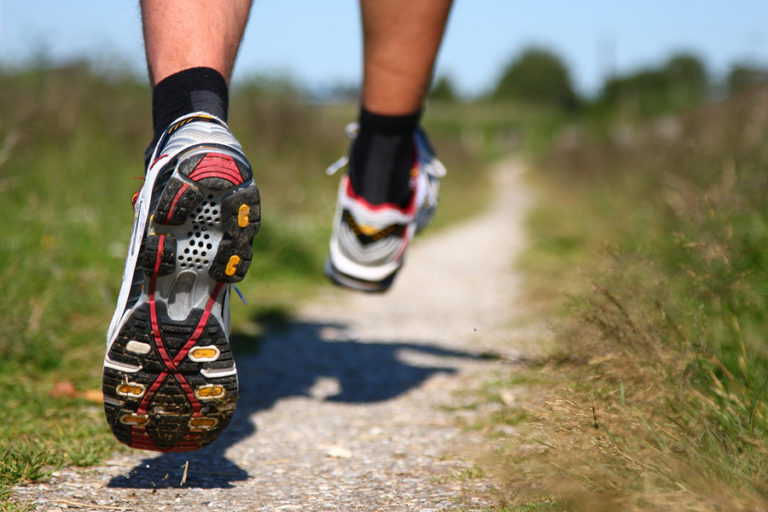
How Shin Splints and Compression Socks Can Aid Your Recovery
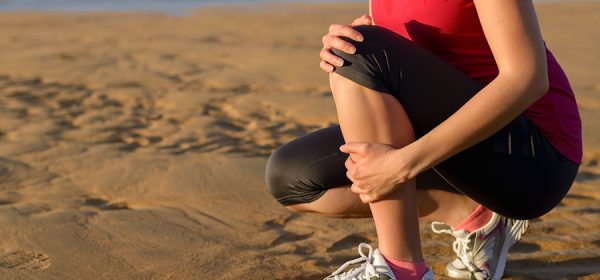
Struggling with shin splints? Compression socks might be your solution. This article dives into how compression socks assist with shin splints by helping to alleviate symptoms and prevent further injury, their benefits, and how to choose the right ones for you.
Key Takeaways
Shin splints are an overuse injury characterized by pain and tenderness along the lower leg. They often affect athletes involved in high-impact activities.
Compression socks enhance recovery by improving blood circulation, reducing swelling, and alleviating muscle soreness, making them essential for athletes with shin splints.
Preventing shin splints involves proper footwear, gradual increases in training intensity, and incorporating low-impact exercises while ensuring adequate rest and recovery.
Compression socks also help prevent lower leg injuries by supporting the muscular balance between the calf muscles and shin muscles, reducing the risk of shin splints.
Understanding Shin Splints
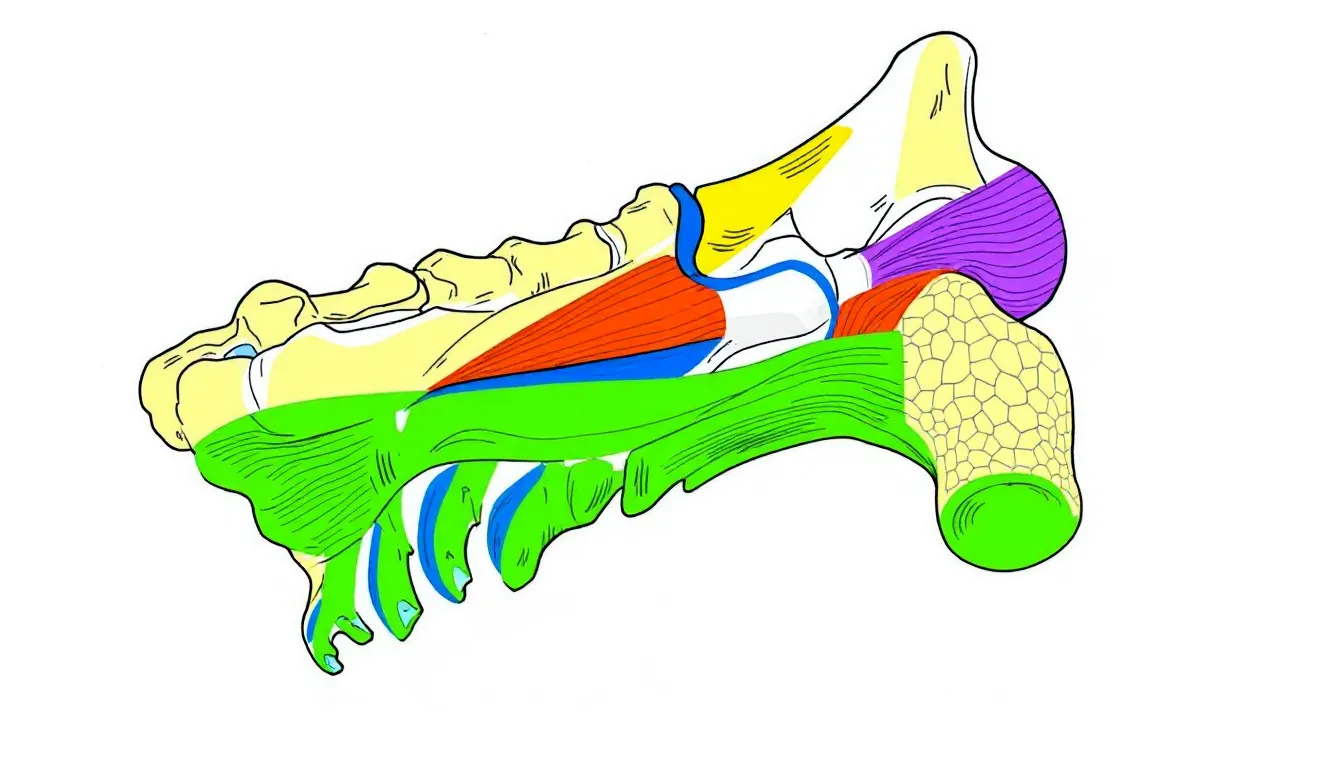
Medial tibial stress syndrome, commonly called shin splints, manifests as pain and sensitivity along the anterior portion of the lower legs. The discomfort, often described as shin pain, can vary from mildly irritating to intensely severe and is frequently coupled with slight swelling in the vicinity of the shin bone. Individuals like runners, dancers, and military personnel are more susceptible due to continuous pressure on their lower extremities.
The origins of shin splint symptoms lie in an overburdening of muscles and bones in the lower leg area, which leads to small tears within the tissues around the shinbone. This issue has the considerable potential to disrupt training schedules or even compel athletes to take extended breaks lasting weeks or months from their activities. Early detection of these symptoms plays a pivotal role in securing timely treatment that facilitates proper recovery.
Shin splints go beyond being just a trifling nuisance. They pose significant threats to one’s physical performance capabilities and enjoyment levels during activity participation. The ensuing soreness makes persistent training problematic at best, underscoring why it’s critical for individuals facing such issues to become informed about effective treatments available for addressing this painful condition.
Causes of Shin Splints
Shin splints typically arise from the inflammation of muscles, tendons, and surrounding tissues along the shin bone. As an overuse injury, they are a consequence of continuous stress on the lower legs, often intensified by activities requiring considerable impact such as running or jumping. The persistent pressure puts strain on both the shin bone and its adjacent connective tissue connected to calf muscles, culminating in discomfort within the shin muscles, known as shin splints or compartment syndrome.
Various factors can precipitate this condition including unsuitable footwear choices, limited flexibility, and abrupt escalations in exercise intensity. Factors like excessive supination (outward rolling) or pronation (inward rolling) during foot movement—as well as flat feet or exceedingly stiff arches—can significantly increase susceptibility to developing shin splints. To prevent these occurrences, your shoes must offer proper support. Addressing these causes is essential to treat shin splints effectively.
Athletes, soldiers, and long-distance runners frequently experience higher rates of shin splints due to their rigorous training regimens, which might include prolonged runs without adequate preparation beforehand, hikes spanning multiple days, and sports characterized by repetitive leaping actions followed by landings—all contributing risks for instigating such injuries. Awareness of these potential hazards coupled with preventive countermeasures can aid in averting them.
How Compression Socks Help with Shin Splints
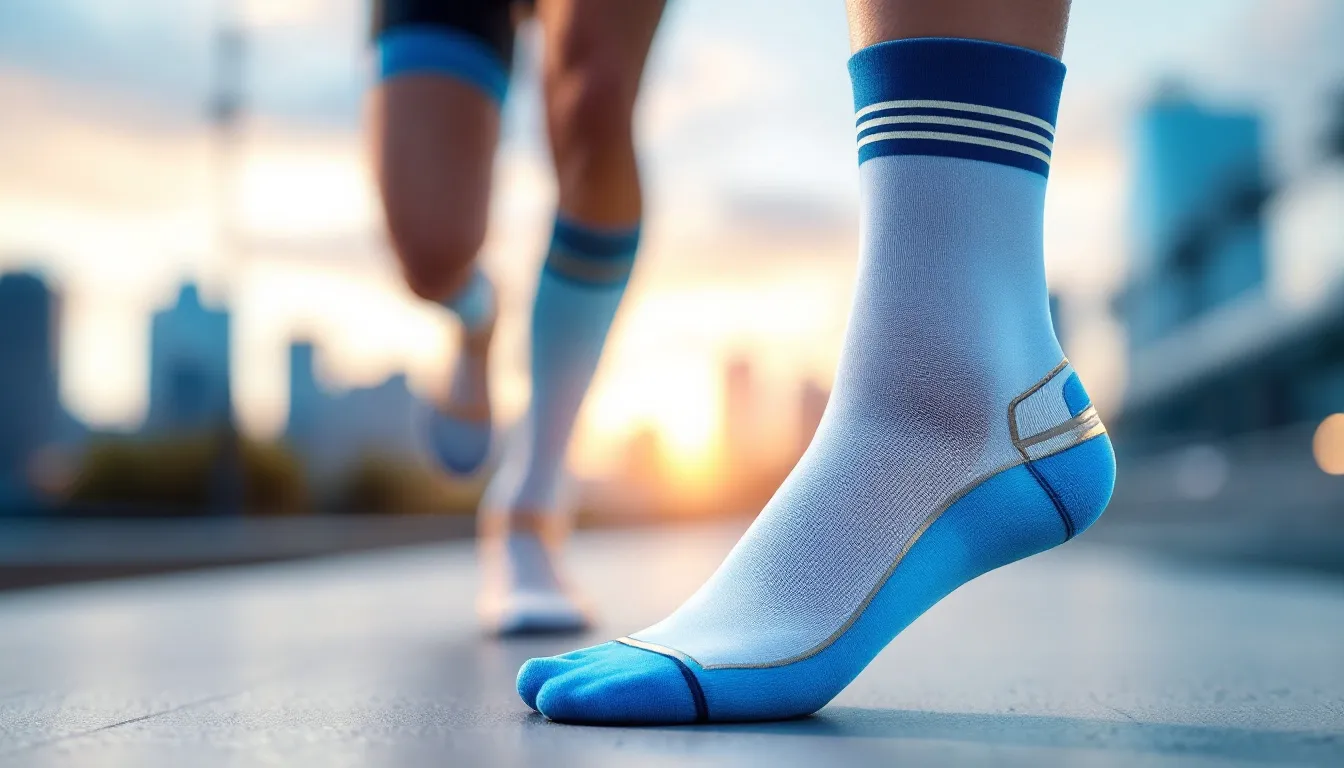
Compression socks are effective instruments for alleviating and recuperating from the discomfort of shin splints. By employing graduated compression, these socks promote enhanced circulation, which plays a crucial role in the healing process. They aid in diminishing swelling while also helping to thwart the accumulation of lactic acid within the muscles.
Compression socks help lower the chances of sustaining additional injuries by providing consistent support to muscles and tendons. This steadiness helps lessen muscle oscillation, which often contributes to shin-related pain experienced during shin splints. Thus, compression socks significantly manage such discomfort and foster recovery efforts.
Wearing compression socks is instrumental in boosting oxygen transport to muscular tissues—a critical aspect for achieving peak performance levels and advancing recovery efficacy. These specialized socks guarantee that your shins receive essential reinforcement along with improved blood flow necessary for their proper restoration. Compression socks are highly recommended for shin splint recovery as they alleviate pain and swelling, ensuring optimal support during recovery.
Choosing the Right Compression Protection for Shin Splints
It is essential to select appropriate compression socks to effectively treat shin splints. Look for socks crafted from moisture-wicking, breathable materials like spandex and nylon to maintain dryness and comfort in your feet while exercising.
Please ensure that the socks’ compression level falls within 15-30 mmHg to provide sufficient support without being too restrictive. Features like additional cushioning in areas prone to high impact can also increase comfort and functionality.
Seamless construction is advantageous because it reduces the risk of chafing, enhancing overall wearability. Confirm that you are choosing compression sleeves or socks specifically tailored for shin splint relief as different ailments may necessitate distinct levels of pressure and support.
Benefits of Wearing Compression Socks During Physical Activity

Utilizing compression socks while engaging in physical activities can provide numerous advantages. Such socks boost performance and sustain efficiency throughout extended periods of exertion. They support athletes by improving sensory feedback and movement precision, which enhances overall athletic execution.
A primary benefit of these specialized socks is their role in reducing muscle fatigue. Athletes who engage in back-to-back bouts of exercise find this particularly advantageous, as it aids in preserving vitality and stamina. Enhanced blood flow from wearing these socks contributes to quicker recuperation times and diminishes injury risk.
By bettering circulation through compression socks, muscles are assured ample oxygenation and nutrient delivery during intense exercises. This bolstered blood flow lessens muscular discomfort while expediting post-activity recovery, solidifying compression socks as a crucial component within an athlete’s repertoire of equipment.
Using Compression Socks for Recovery
Compression socks are integral to the recovery process for athletes, as they significantly expedite healing. These socks improve blood flow, ensuring muscles receive an increased supply of oxygen — essential for muscle repair. Better circulation helps eliminate metabolic waste products from the muscles, alleviating soreness and facilitating a faster recovery.
Wearing compression socks has been proven to reduce blood lactate levels following exercise, contributing to more rapid recovery times. This reduced muscle soreness allows athletes to return quicker to their training regimens with diminished discomfort.
By adding compression socks to your post-exercise routine, you will likely observe a notable improvement in how quickly your muscles recover and when you can engage again in regular activities without issue. As simple and effective tools, these socks offer substantial support for enhancing overall recovery performance.
Additional Treatment Options for Shin Splints

Compression socks can significantly aid in managing shin splints, but they are not the sole treatment option. Adequate rest is imperative because overuse often leads to shin splints. Giving your muscles time for recuperation is vital. Cold therapy should also be considered to alleviate swelling and pain. This entails applying ice packs to the affected area for 20 minutes several times throughout the day.
Engaging in physical therapy can prove advantageous for easing tension in joints and soft tissues. It enhances blood circulation while fortifying the legs’ muscle structure. Undertaking flexibility routines that stretch out calf muscles may improve their operation and mitigate discomfort experienced around the shins.
Incorporating these additional measures with consistent use of compression socks provides substantial support during recovery from shin splints and is preventative against occurrences.
Prevention Tips for Shin Splints

It is more advisable to prevent shin splints than to deal with their treatment. Gradually escalating the level and intensity of physical training can help stave off the development of shin splints, as rapid increases often contribute to this condition. Also, taking sufficient rest between intense workouts is crucial to mitigate overtraining risks.
Choosing appropriate shoes with adequate cushioning is vital for managing and warding off shin splints. Such footwear alleviates strain on your shins and aids in circumventing future injuries. Opting for softer ground during runs and ensuring correct running techniques are effective strategies for reducing the incidence of these injuries.
Integrating activities that impart minimal impact, like swimming or yoga, into your exercise routine can be beneficial for sustaining overall fitness while sparing your legs from excessive stress. Warming up properly before engaging in any activity enhances blood circulation in muscle tissues, which minimizes injury risk. These preventative measures will significantly lower one’s chances of encountering shin splints.
Summary
Shin splints can be debilitating, but they can be managed effectively with the proper knowledge and tools. Compression socks are crucial in alleviating pain, improving recovery, and preventing future injuries. By understanding the causes of shin splints and following prevention tips, you can keep your training on track and maintain your fitness goals.
Remember, the journey to recovery and prevention requires a combination of the right gear, proper training practices, and adequate rest. Embrace these strategies, and you’ll be well on your way to a pain-free and enjoyable fitness journey.
Frequently Asked Questions
What is the best thing to wear for shin splints?
Wearing comfortable running shoes with proper cushioning and support, along with calf compression sleeves, is the best choice for managing shin splints.
These options help absorb shock, reduce swelling, and promote recovery.
Do compression socks help for shin splints?
Compression socks can effectively help manage and prevent shin splints by improving circulation and reducing muscle vibrations, alleviating pressure on the shins and supporting recovery.
What is a common experience of those who have shin splints?
Individuals suffering from shin splints typically endure differing levels of pain along their shins. This condition can interfere with workout routines and possibly result in a prolonged absence from training, which tends to be quite exasperating for athletes.
What can be used to help treat or prevent shin splints?
Compression sleeves can effectively help treat and prevent shin splints by alleviating pain and supporting the affected area.
What should individuals look for when choosing compression sleeves?
For the best support and relief possible, make sure to choose compression sleeves made with shin splints in mind.
Adopting this specialized strategy can significantly improve both your comfort and athletic performance.
Related Posts
 Top 10 Best Running Shoes for Shin Splints in 2025
 Effective Solutions for Shin Pain When Running: Tips & Treatments
 Low Back Pain: Causes, Symptoms, and Effective Treatments
 Strengthening Exercises for the Treatment of Sciatica and Lower Back Pain
 Mobility Exercises for the Treatment of Sciatica and Lower Back Pain