Top 10 Best Running Shoes for Shin Splints in 2025
Comfortable running shoes can make every step less of a struggle by providing relief and support for shin splints. This guide covers top-rated options that help minimize pain and prevent further injuries, ensuring you can enjoy your runs without discomfort.
Key Takeaways
Shin splints, caused by inflammation along the shinbone, result from factors like tight calves and poor training habits, highlighting the importance of supportive footwear.
Choosing the right running shoes that provide adequate cushioning and support is essential in preventing and alleviating shin splints, with recommended brands including Asics, Brooks, Hoka, and New Balance.
Complementing shoe selection with strategies such as gradual training increases, the use of compression socks, and proper rest is crucial for preventing shin splints and ensuring a pain-free running experience.
Understanding Shin Splints

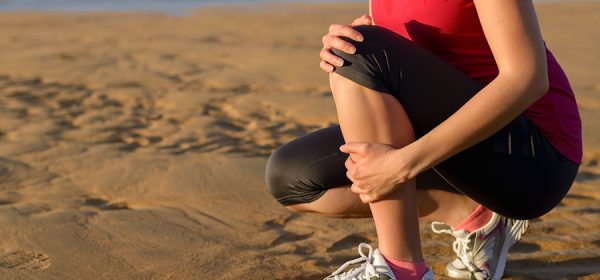
Pain along the front part of the lower leg, known as shin splints or medial tibial stress syndrome (MTSS), is associated with inflammation marked by tenderness and sometimes swelling near the shin bone. This discomfort can transform a simple jogging session into an agonizing experience when muscles and tendons around the shinbone are overtaxed.
The onset may be due to several factors, including calf muscle tightness, excessive foot pronation, and inadequate training practices. Sudden changes in exercise regimens can lead to muscular strain that repetitively impacts both the shinbone itself and its surrounding tissue structures. Those new to running or individuals with flat feet or pronounced arches are especially susceptible. Disregarding early symptoms might result in persistent pain issues. Therefore, it is crucial to treat shin splints early by using appropriate rest and preventive measures to avoid worsening the condition.
Selecting proper footwear is crucial for preventing and recovering from MTSS. Thus, finding shoes specifically designed for those prone to experiencing such ailments becomes paramount. Running shoes aimed at addressing this condition offer extensive cushioning alongside robust support that aids in lessening calf strain during runs—the key difference-maker between enduring recurring bouts of shinsplint-induced agony versus relishing smoother strides on one’s running journey.
What are Shin Splints?
Shin splints, medically known as medial tibial stress syndrome (MTSS), are a common overuse injury that affects the lower leg. This condition arises from repetitive stress on the shinbone and the surrounding connective tissues, leading to pain and inflammation. While shin splints are frequently associated with running, they can also occur in other activities that involve repetitive impact on the lower legs, such as dancing or hiking.
The primary cause is the overworking of muscles, tendons, and bone tissue around the shinbone. This overuse can result from sudden increases in physical activity, improper training techniques, or wearing inadequate footwear that fails to provide sufficient support and cushioning. Individuals with flat feet or high arches are particularly susceptible due to the additional strain placed on their lower legs.
Understanding the nature of shin splints is crucial for both prevention and treatment. By recognizing the factors that contribute to this condition, runners and athletes can take proactive steps to protect their lower legs and maintain a healthy, active lifestyle.
Symptoms and Diagnosis
The tell tale sign for compartment syndrome is pain and tenderness along anterior medial aspect of the tibia, typically felt on the (inner) side of the bone. This pain can vary in intensity, ranging from a continuous dull ache to a sharp, stabbing sensation. In addition to pain, other symptoms may include swelling, redness, and warmth in the affected area, indicating inflammation.
Diagnosing shin splints usually involves a thorough physical examination and a review of the patient’s medical history. During the examination, a Doctor will check for tenderness along the shinbone and assess the patient’s gait and foot structure. In some cases, imaging tests such as utra sound, X-rays or MRI scans may be ordered to rule out other conditions, such as stress fractures or compartment syndrome, which can present with similar symptoms.
Early diagnosis and intervention are key to managing shin splints effectively. By identifying the condition promptly, individuals can take appropriate measures to alleviate pain and prevent further injury.
How to Choose Running Shoes for Shin Splints

You should choose the right running shoes to thwart the recurrence of shin splints. Customizing your footwear choice based on foot type and walking style and ensuring timely replacement can markedly diminish your risk of developing this condition. The key elements you want in a shoe are cushioning and support since they directly contribute to alleviating symptoms associated with shin splints. Opting for a durable shoe that provides stability and protection, such as the New Balance Fresh Foam 1080 or Altra’s Timp 5, can prevent injuries and ensure comfortable performance over long distances.
When you’re picking out running shoes, make sure that they align with both your gait pattern and foot architecture. For individuals who tend to get shin splints, extra padded footwear like Hoka shoes, renowned for their superior cushioning, could be immensely beneficial. It’s also advisable to obtain an expert evaluation of your feet by a paediatrist before purchasing new running shoes so that you can secure a precise fit crucial in staving off shin splints. Moreover, a lightweight shoe can reduce stress on the feet and enhance comfort during runs, making it ideal for versatile usage in various activities.
Prior experience:
Keep in mind that it is necessary to renew running shoes every 400 miles if you wish them to retain their supportive capabilities. Favorite brands such as Asics, Brooks, New Balance, Hoka, and Saucony receive accolades due largely to their dedicated efforts at engineering designs aimed at preventing shin splits.
Subsequent consideration:
Remember the importance of replacing worn-out runners after covering roughly 400 miles if one intends for those sneakers to remain protective resources against injury. The following list presents highly acclaimed options:
Asics
Brooks
New Balance
Hoka
Saucony
Securing comfortable fitting trainers equipped with appropriate attributes will go a long way toward delivering an amenable run without harm or discomfort.
Top 10 Best Running Shoes for Shin Splints in 2025

Navigating the multitude of choices for running shoes ideal for shin splints may seem daunting. To assist you, we have carefully curated a list highlighting the top 10 best running shoes in 2025 that excel in cushioning, support, longevity, and performance, specifically tailored to runners susceptible to shin pain.
Our selections include esteemed models like the Hoka One Women’s Conquest and Asics Gel Nimbus. Each shoe on this list boasts unique attributes designed to reduce shin discomfort and elevate your run. We will explore what sets these shoes apart from others in terms of their effectiveness for those suffering from shin splints.
Hoka One Women’s Conquest Running Shoe
The Hoka One Women’s Conquest Running Shoe comes highly recommended for female runners who are susceptible to experiencing shin splints. Its lightweight design offers ample cushioning thanks to its full-compression EVA midsole, which delivers superior support and ensures seamless stability during running strides. The addition of a breathable mesh upper contributes to heightened comfort and improved air circulation, proving valuable for extensive runs.
Many customers have shared their positive experiences with the shoe, noting the absence of shin splint issues after several months of using these particular Hoka running shoes. With an overall weight of just 8.7 ounces, the Hoka One Women’s Conquest is crafted as a featherweight shoe without compromising on providing substantial cushioning, rendering it suitable for runners at any skill level. Opting for lightweight shoes like these can help reduce energy expenditure and minimize the risk of developing shin splints, thus contributing to better joint protection and overall comfort for runners.
This footwear plays an essential role in lowering shin splint risk factors by promoting both stability and reinforcement when worn. Its blend of snugness, long-term wearability, and enhanced performance distinguishes the Hoka One Women’s Conquest Running Shoe as one of the premier choices available to women seeking relief from or prevention against shin discomfort while running.
Asics Women’s Gel Kayano 21 Running Shoe
The Asics Women’s Gel Kayano 21 Running Shoe is Renowned for its exceptional ability to absorb shock. It stands out as a preferred option among female runners experiencing shin pain. The shoe offers enhanced stability that elevates comfort and running performance, which is especially advantageous for individuals struggling with shin splints.
Tailored specifically for women who run, the Asics Gel Kayano 21 incorporates attributes that mitigate shin discomfort and enrich the running journey. Its fusion of stability features with excellent shock absorption qualities makes it an effective choice in preventing and addressing issues related to shin splints.
New Balance Woman’s W850v1
The New Balance Woman’s W850v1 receives accolades for its substantial cushioning, crucial in delivering support throughout prolonged runs. The shoe delivers even cushioning and comprehensive comfort, aiding runners to encounter reduced weariness and unease over longer stretches.
Concentrating on both padding and stability, the New Balance W850v1 serves as a formidable barrier against the onset of shin splints. This makes it an outstanding selection for women seeking a running shoe that combines comfort with enduring quality.
Brooks Glycerine
Crafted to deliver a luxurious feel and an effortless journey, the Brooks Glycerine running shoe is apt for men suffering from shin splints. Its construction incorporates sumptuous padding alongside neutral support that ensures both solace and stability throughout runs.
Other top-notch options in running shoes tailored for men include models like the New Balance 810v2 and the Asics Cirrus 33. Each of these selections brings distinct attributes designed to meet the particular requirements of male runners.
New Balance 810v2
Crafted to offer robust support and cushioning, the New Balance 810v2 stands out as an ideal choice for runners who suffer from shin splints. Its sophisticated cushioning technology delivers outstanding shock absorption, essential for alleviating shin pain while running.
The New Balance 810v2 is constructed to endure various terrains, providing male runners with a versatile option in their selection of running shoes. In essence, it merges superior supportive cushioning with sturdiness to prevent shin splints and improve overall running efficiency.
Asics Cirrus 33
Designed specifically for male runners susceptible to shin splints, the Asics Cirrus 33 delivers comfort and support by diminishing the impact on the shins through its superior shock absorption capabilities. This lessens the likelihood of incurring injuries.
Boasting a state-of-the-art cushioning system, the Asics Cirrus 33 provides outstanding shock absorption that supports foot health and mitigates stress on shin bones. Adopting these shoes can substantially decrease men’s chances of developing shin splints during running endeavors, making them ideal for both practice runs and competitive events.
Saucony Triumph 20
For long-distance runners and individuals recuperating from injuries, the Saucony Triumph 20 stands out with its PWRUN+ foam, delivering top-notch cushioning for a comfortable running experience. This shoe offers remarkable shock absorption and cushioning—a prime choice for those seeking to prevent or address shin splints.
Brooks Ghost 15
Runners aiming to avoid shin splints will find the Brooks Ghost 15 an exceptional option due to its segmented heel crash pad that boosts running stability. The shoe’s cushioning and stability traits are designed to alleviate shin pain, offering a smoother and more comfortable run.
New Balance Fresh Foam 1080
Runners with wide feet will find the New Balance Fresh Foam 1080 an exceptional selection, providing superior cushioning and long-lasting durability. The shoe comes in four widths to accommodate a range of foot sizes. It features a soft upper alongside a wide toe box that delivers outstanding support and comfort, particularly for those with foot issues like bunions or shin splints, along with adequate shock absorption.
Asics Gel Nimbus
Renowned for its adaptable and strengthening features, the Asics Gel Nimbus is highly regarded as a suitable footwear option for runners suffering from shin splints. It incorporates GEL cushioning technology that efficiently mitigates impact, elevating comfort levels throughout running activities.
Individuals who engage in long-distance running or who spend substantial time standing can gain advantage from the superior shock absorption and robust midsole support offered by the Asics Gel Nimbus shoes. These attributes significantly boost one’s running efficiency and make these shoes an optimal selection for anyone aiming to avoid or alleviate shin splints.
Importance of Proper Fit and Foot Structure

Ensuring that running shoes fit correctly and cater to the specific structure of one’s feet is essential in mitigating the likelihood of experiencing shin splints. It’s important to select footwear that provides proper support for individual foot types, like flat feet or those with high arches, as this plays a crucial role in lessening the chances of developing shin splints. The right fit can greatly diminish stress on the shins, which is instrumental in preventing these injuries. A proper fit can also contribute to a smooth ride, making runs more enjoyable and reducing the risk of shin splints.
Periodic evaluations of how your feet are aligned and how you walk are key steps in determining suitable choices for running shoes. Wearing ill-fitting shoes can exacerbate existing conditions related to foot health, thereby heightening the possibility of getting shin splints. A well-fitted shoe tailored to your unique foot architecture not only enhances comfort but also aids significantly in reducing injury risks.
Role of Cushioning and Heel-to-Toe Drop
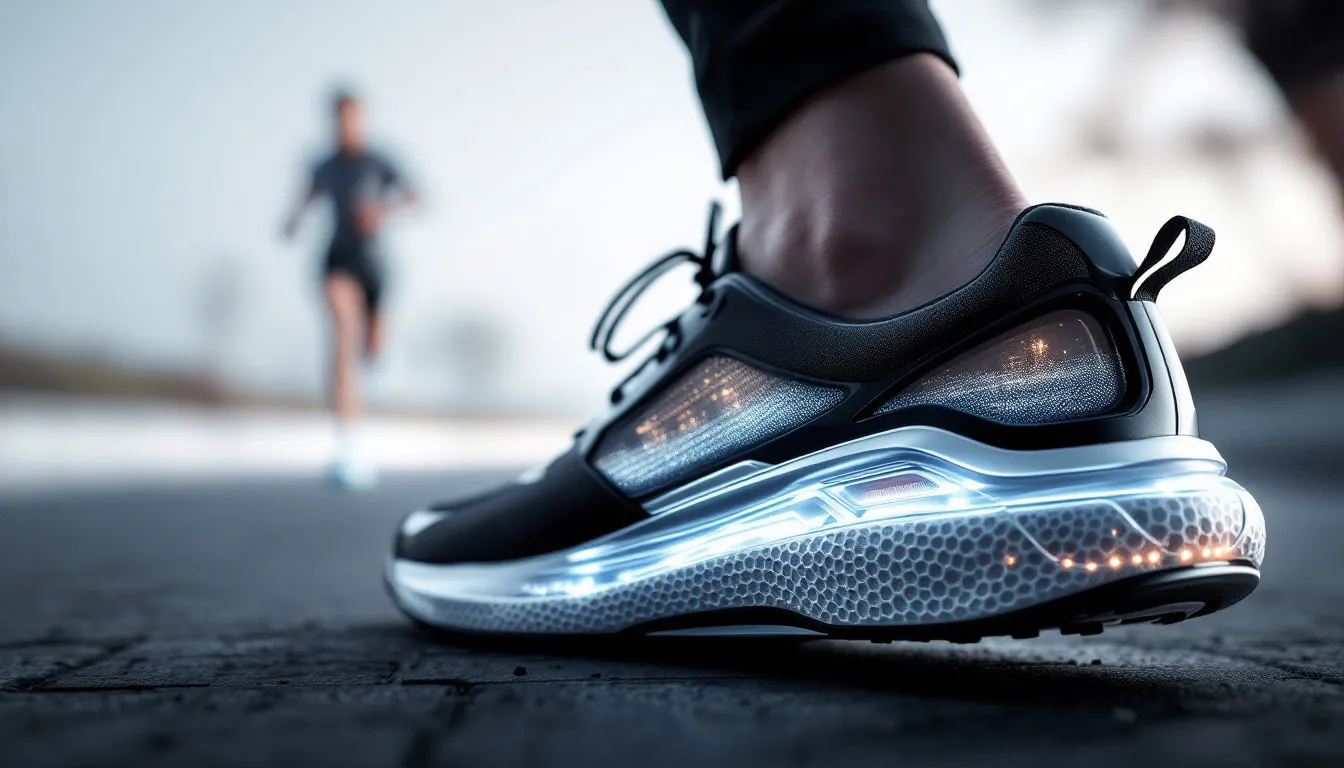
Running shoes equipped with advanced cushioning technology, like DNA LOFT, are crucial in mitigating the impact forces associated with running. This is particularly beneficial for individuals who frequently experience shin pain. Adequate cushioning not only helps absorb shock upon landing but also supports the foot’s arch and lessens the likelihood of developing shin splints.
Shoes such as the Brooks Ghost 15 have a heel-to-toe drop measured at 12mm, which affects how impact forces spread throughout the foot while running. Similarly, runners can find support and stability through another model like the Brooks Adrenaline GTS, which also offers a 12mm drop from heel to toe.
For an alternative approach to managing impact stressors on joints and tissues, Asics Gel Nimbus integrates their signature GEL cushioning system designed specifically to disperse shock laterally for added comfort during runs. To enhance shock absorption capabilities and offer more stable footing for runners, these shoes often incorporate technologies such as dual density rubber outsoles.
Additional Tips to Prevent Shin Splints
Selecting suitable running shoes is just one step in a collection of methods designed to ward off shin splints. It’s essential to begin your jogging routine at a measured pace, consider using compression socks for enhanced blood flow and diminished tiredness, and prioritize sufficient rest periods for recovery. By progressively ramping up the vigor of your runs, you avoid subjecting your legs to excessive strain. Organizing a running schedule is crucial to prevent shin splints and maintain a balanced training routine.
Allowing muscle and tendon recuperation time is vital in staving off persistent shin splint problems. Combined with these precautionary measures as part of your habitual practice, they can contribute significantly to preserving an exercise regimen without discomfort.
Start Slow
It’s vital to incrementally increase the intensity of your runs to avoid the risk of shin splints. Abrupt escalations in exercise levels or pounding the pavement on unyielding surfaces may exert excessive stress on your lower legs, potentially resulting in shin splints. Heeding bodily signals and easing off at signs of discomfort is crucial for averting more serious harm. Ensuring that you swap out running shoes every 350 to 500 miles will help preserve their cushioning qualities and mitigate injury hazards.
Novice runners should adopt a measured pace by slowly enhancing distance and speed over time. This tactic allows for gradual adaptation among muscles, tendons, and bones, significantly reducing the chances of developing shin splints. Bear in mind that consistency and patience play an integral role in fostering a safe progression within your running regimen without succumbing to injuries.
Use Compression Socks
Runners can gain essential advantages from wearing compression socks, such as augmented support and running comfort. The improved circulation provided by these socks aids in both recovery and the prevention of injuries. To fully reap these rewards, incorporating compression socks is advisable since they boost blood return to the heart through mild leg pressure, which diminishes feelings of tiredness and soreness.
By facilitating superior lymphatic drainage, compression socks contribute to reducing inflammation and swelling. When integrated into your regular running regimen, they can enhance athletic performance and accelerate recovery periods—establishing them as a significant component of your fitness gear repertoire.
Rest and Recovery
For those new to running, taking breaks and rest is vital to prevent shin splints. If you start experiencing mild cases of this condition, please stop running activities not to exacerbate the issue. You can just opt for alternative exercises like swimming during your recovery time. These can help soothe pain from shin splints while sparing your legs from additional strain. Trail runners should be particularly cautious due to the uneven terrain, increasing the shin splint risk.
To maintain fitness levels and enhance flexibility when taking a break from running due to shin splints, consider engaging in strength training focused on the upper body and regular stretching routines. If symptoms persist beyond several weeks despite these efforts, I would recommend you seek advice from a physiotherapist, physical therapist, or Doctor.
Once you’re ready to return to running post-rest period for recovering from shin splint discomforts, remember to cut back both distance and frequency by about half initially. This gradual reintroduction helps your body adjust appropriately and reduces the risk of re-injury.
Treating Shin Splints
Treating shin splints involves a multifaceted approach aimed at reducing pain and inflammation while addressing any underlying issues that may have contributed to the condition. One of the most effective initial treatments is the RICE method, which stands for Rest, Ice, Compression, and Elevation. This method helps to alleviate symptoms and promote healing:
Rest: Avoid activities that exacerbate the pain, giving your legs time to heal.
Ice: To reduce inflammation, apply ice packs to the affected area for 15-20 minutes several times a day.
Compression: Use compression bandages to help decrease swelling and provide support.
Elevation: Elevate your legs to reduce swelling and improve blood flow.
In addition to the RICE method, addressing any factors that may have led to the development of shin splints is crucial. This includes evaluating and improving running form, ensuring proper footwear, and gradually increasing the intensity of physical activity to avoid overloading the lower legs. Wearing running shoes with adequate cushioning and support can significantly reduce the risk of shin splints.
For persistent or severe cases, it is recommended that you consult with a physical therapist or physiotherapist. They can provide personalized treatment plans, including exercises to strengthen the lower leg muscles and improve flexibility, which can help prevent future shin splints.
By combining these treatment strategies, individuals can effectively manage shin splints and return to their running routines with reduced pain and a lower risk of recurrence.
Summary
Selecting appropriate running shoes is a key factor in preventing and managing shin splints. By opting for shoes that offer sufficient cushioning, support, and an accurate fit, you can notably decrease the likelihood of experiencing shin pain while improving your overall running experience. Brands such as Hoka, Asics, Brooks, New Balance, and Saucony provide exceptional footwear options tailored to runners susceptible to shin splints.
When choosing the right running shoes, it’s vital to incorporate other preventive strategies, such as easing into your training regimen slowly, wearing compression socks during runs, and giving proper attention to rest and recovery periods. These steps aid in sustaining a routine free from pain and averting chronic issues related to shin splints.
Focusing on the health of your feet and making educated decisions regarding your athletic equipment will ensure continuous progress toward achieving your fitness objectives. Remember that embarking on a journey toward achieving painless running begins with investing in the correct pair of running shoes and heeding your body’s requirements.
Frequently Asked Questions
Do you think I can still jog with shin splints?
If you have shin splints, it is advisable to refrain from jogging to allow for healing. Instead, consider non-weight-bearing exercises, such as swimming or biking, as long as they do not exacerbate your pain.
Are cushioned running shoes better for shin splints?
Cushioned running shoes can be beneficial for preventing and managing shin splints as they reduce the impact on the legs.
The footwear must fit properly to provide optimal support.
What are shin splints and how do they heal?
Shin splints are characterized by painful sensations along the outer edges of the shin and typically heal with adequate rest. However, recovery may take weeks or months in more severe cases.
What do you think about your running habits when choosing running shoes?
It is crucial to consider your foot strike pattern, be it heel-striking or forefoot-striking, when choosing running shoes. Ensure that the shoes you select offer sufficient padding in the area relevant to your striking style.
Adopting this customized strategy can improve your overall comfort while running and aid in averting potential injuries.
Why is it important to avoid zero- or low-drop shoes for certain runners?
For some runners, particularly those who have restricted mobility in their lower legs, it’s crucial to steer clear of zero-drop or low-drop footwear. This type of shoe can aggravate faulty running techniques and increase the risk of sustaining injuries.
Securing adequate support and maintaining correct alignment are key components for a secure and injury-free running journey.
Related Posts
 Effective Solutions for Shin Pain When Running: Tips & Treatments
 How Shin Splints and Compression Socks Can Aid Your Recovery
 Mobility Exercises for the Treatment of Sciatica and Lower Back Pain
 Strengthening Exercises for the Treatment of Sciatica and Lower Back Pain
 Low Back Pain: Causes, Symptoms, and Effective Treatments